TL;DR:
- Chronic stress dysregulates appetite hormones (leptin, ghrelin) and ramps up craving for high-calorie, ultra-processed foods. A 2024 study found that about 61% of the link between pandemic stress and emotional eating was explained by UPF addiction symptoms: stress doesn't just make you "weak," it changes what you want and how much you eat.
- Daily stress matters more than big life events for within-person emotional eating. A 49-day longitudinal study in women showed that on higher-stress days, emotional eating went up; the effect was stronger in those with more accumulated stress.
- Mindfulness-based interventions and simple pauses (move, breathe, name the feeling) reduce stress-eating in trials. So does logging: it creates a pause and reveals patterns. Guilt and strict rules backfire.
I used to think stress-eating was a character flaw. Then I read the studies. Your body isn't betraying you. It's responding to cortisol, disrupted hunger signals, and a brain that learned "when I feel bad, eating helps." (Full disclosure: I still reach for snacks after a rough call. The difference is I notice it now instead of spiraling.)
Here's what the research says and what actually helps.
Why Stress Makes You Want Certain Foods
If you're a 9-to-5 worker or a student in exam season, this section is for you. If stress usually kills your appetite, skip to the toolbox.
When you're under chronic stress, your body's stress axis (the HPA axis) gets dysregulated. That doesn't just make you alert. It messes with the hormones that regulate hunger and fullness. Research in Nature Scientific Reports and elsewhere shows that chronic stress alters leptin, ghrelin, and neuropeptide Y, increases hunger and calorie intake, and weakens the brain circuits that help you regulate emotions and impulses. So you're not "giving in." You're up against a shifted biology that pushes you toward high-calorie, easy-reward foods. Add easy access to ultra-processed stuff and the loop tightens. A 2024 study of Brazilian students during the pandemic found that symptoms of ultra-processed food addiction mediated about 61% of the effect of perceived stress on emotional eating. Stress didn't just make people eat more. It made them want and eat more of the foods that are hardest to stop eating.
Harvard Health and MedlinePlus have clear overviews of the stress response and appetite. The takeaway: this is physiology and environment, not moral failure.
| The Myth | The Reality |
|---|---|
| Stress-eating is a willpower problem | Chronic stress changes hormones and reward circuits; it drives craving and makes regulation harder. |
| If I just restrict more, I'll stop | Restriction and guilt amplify the cycle. Research on dietary restraint shows that strict rules often increase overeating when willpower slips. |
| Emotional eating is the same for everyone | Some people eat less under acute stress. Daily, ongoing stress tends to push intake up, especially with easy access to hyper-palatable foods. |
Spotting Your Personal Trigger Loop
Awareness comes before change. That's where a food diary or a tracker pays off: not to shame you, but to show patterns. We wrote about the food-diary habit loop before. Cue (stress, boredom, time of day), routine (reach for food), reward (temporary relief). When you log what you eat and when, and add a short note like "after tense meeting" or "Sunday night alone," you start to see which triggers hook you. A 49-day longitudinal study in women found that daily stress predicted emotional eating from day to day, and the effect was stronger in women with more accumulated life stress. So the goal isn't to never eat when stressed. It's to see the loop so you can sometimes choose a different response. If you've tried to "fix" your diet over and over and quit, the problem is often the plan, not you. Why you keep quitting your diet goes into that.
Snapping a photo of your meal in cAIlories when the urge hits does two things: it creates a short pause between urge and action, and it builds a log you can review. No red alerts. No "bad" foods. Just data. That pause is where a different choice can slip in.
Notice, Don't Judge (Or You'll Eat More)
If you're the person who "blows it" at night and restarts every Monday, read this. Judging yourself keeps the cycle going. The goal isn't to eliminate emotional eating forever. It's to catch it more often and sometimes do something else. When you notice "I'm reaching for food. What's really going on?" you're already changing the game. Curiosity beats guilt. Research on dietary restraint and ironic process theory shows that the more you forbid a food or punish yourself for eating it, the more it occupies your mind and the more likely you are to overeat when your guard drops. So approach your habits with curiosity, not a moral scorecard.
What Actually Helps Instead (Evidence-Based)
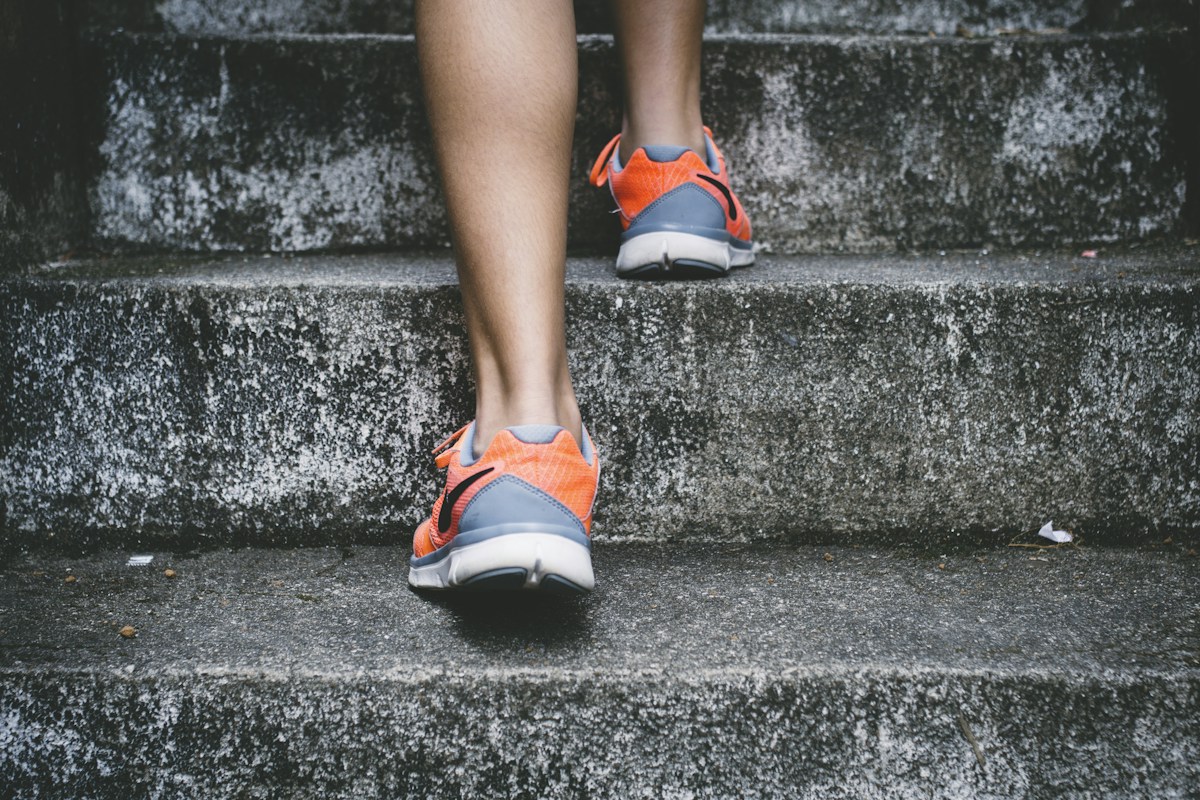
- Move. A short walk, some stairs, or a few stretches help your body process stress and can shift you out of autopilot eating. It's not a distraction trick. It's physiology.
- Breathe. A few slow breaths calm the nervous system and buy you a few seconds to choose. You don't need a 20-minute meditation. Even 30 seconds can create a gap between "I want to eat" and "I'm eating."
- Name what you're feeling. Say or write: "I'm stressed," "I'm bored," "I'm lonely." You don't have to fix it. Naming it can interrupt the automatic grab and point you to a better move (text a friend, do one small task, or just sit with the feeling).
- Urge surfing. Let the urge rise and fall instead of fighting it or giving in immediately. It usually peaks and drops within a few minutes. Mindfulness-based interventions that include these skills reduce stress-eating and food cravings in randomized trials. The brain changes that go with it (e.g. in reward and emotion regions) line up with the behavior change.
Pro Tip: Before you open the cupboard, try this: three slow breaths in and out. Then ask, "Am I actually hungry, or do I want to change how I feel?" If it's the second, try one non-food action first (walk, sip water, name the feeling). If you still want to eat, eat. No drama. You can log it and move on.

Tiny Environmental Tweaks That Calm the Pattern
Don't ban comfort foods. That backfires. Make them slightly less automatic. Keep them in your home if you like, but not at eye level or in the path from couch to kitchen. Pre-log a planned snack in cAIlories so it's part of your day instead of a "failure" when you grab it. When the urge hits, the act of opening the app and snapping a photo can be enough of a pause to break the autopilot. We built reminders so you can tie logging to your stress hotspots (e.g. right after work or before bed). Pattern visibility beats perfection.
When It's Bigger Than Snacks
Changing emotional eating doesn't happen overnight. It's about noticing more often and sometimes choosing differently. If it feels overwhelming, happens most days, involves loss of control or binge episodes, or is tied to trauma or an eating disorder, reach out to a therapist or dietitian who gets it. That's not a last resort. It's a normal and effective step. There's no shame in support.
Download cAIlories on the App Store and use it for awareness, not punishment. Log when you're stressed. Log when you're not. The bigger picture will show up.
Final thought: What if the goal wasn't to never eat when you're stressed, but to notice when you're doing it and sometimes choose something else? One pause at a time.