TL;DR:
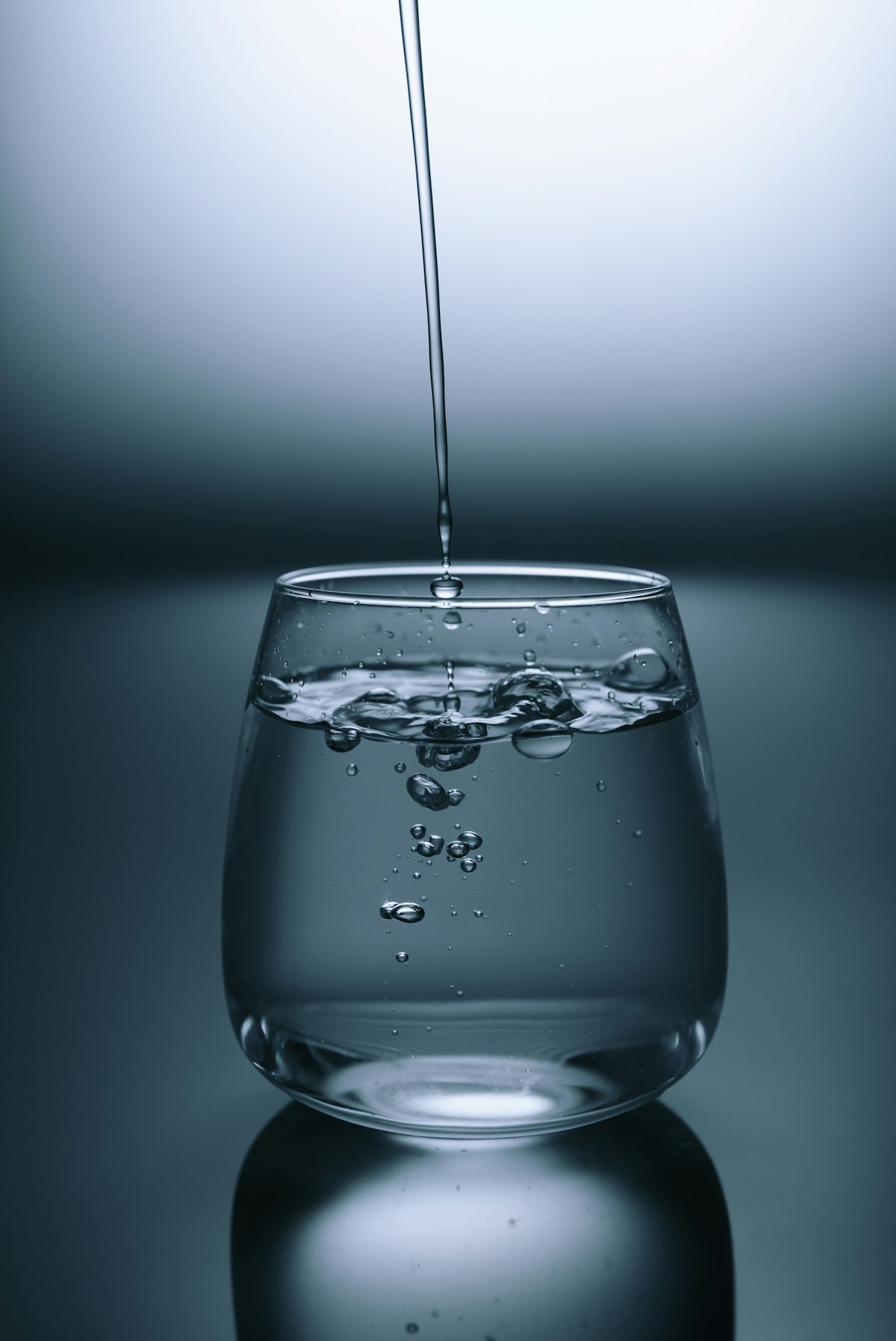
- Your brain can mix up thirst and hunger. Mild dehydration often shows up as a craving for snacks. Drink a glass of water and wait 10 minutes before reaching for food. If the "hunger" fades, you were thirsty. This small habit cuts unnecessary calories.
- Water before meals can help. RCTs show that preloading with water before main meals increases fullness and can support weight loss when combined with a better diet. Volume in your stomach matters. The "eight glasses" rule has weak evidence; drink when thirsty and with meals instead of chasing a magic number.
- Swap one sugary drink for water. Replacing one 8-ounce sugary drink with water can cut ~100–300 calories per day and add up to meaningful weight change over months. Log your drinks in a tracker so you see the impact. Get a target from our TDEE calculator, then let the swap do some of the work.
We've all reached for a snack and wondered halfway through if we were actually hungry. Sometimes your body wants water, not calories. Water doesn't melt fat, but it can make losing weight less of a fight. Here's the evidence and how to use it.
Thirst or Hunger? Sometimes It's Hard to Tell
If you often feel "snacky" in the afternoon, read this. If you already drink before eating and want the numbers, skip to the next section.
Your brain uses similar circuits for thirst and hunger. Mild dehydration can show up as a craving for food, especially snacks or something quick. Before you open the cupboard, drink a glass of water and wait about 10 minutes. If the urge fades, you were thirsty. That small pause cuts calories and helps you learn the difference. Research on thirst and hunger drives shows both are homeostatic signals that can overlap. So "I'm hungry" isn't always true.
| The Myth | The Reality |
|---|---|
| "I need a snack." | Often you need fluid. Try water first and wait 10 minutes. |
| "Thirst and hunger feel totally different." | They can feel similar. Your brain sometimes mixes the signals. |
Pro Tip: Before a snack or seconds at a meal, drink a full glass of water and wait 10 minutes. If you're still hungry, eat. If not, you just saved yourself extra calories.
Are You Drinking Enough?
If you're at a desk all day with one coffee and no water, this is for you. If you're active or in the heat, you need more. There's no need to count every sip. Signs like dark yellow urine, dry mouth, headaches, or an afternoon slump can mean you're low on fluids. Hot weather, exercise, and dry indoor air increase need. Caffeine (coffee, tea) has a mild diuretic effect; balance it with plain water. Guidance from major health bodies favors drinking when thirsty, with meals, and around activity rather than a rigid "eight glasses." The eight-glasses rule isn't well supported by evidence. Individual needs vary. Focus on regular sips and responding to thirst.
Screenshot placeholder: cAIlories daily log or intake view where the user can see meals and drinks (e.g. water vs sugary drink) so the swap shows up in the numbers.
Water Fills You Up (Without Calories)
Fullness depends partly on volume in your stomach. Starting a meal with a glass of water or a light broth-based soup can help you feel satisfied sooner and eat less. An RCT in adults with obesity found that drinking water before main meals, combined with diet advice, led to greater weight loss than diet advice alone. So preloading works. It's not a miracle; it's volume and timing. Same idea as eating more volume for fewer calories: water adds bulk without calories.
| The Myth | The Reality |
|---|---|
| "I need to eat to feel full." | Water (or broth) before a meal can reduce how much you eat. |
| "Drinking with meals dilutes digestion." | That's a myth. Drinking with or before meals can help you eat less. |
Pro Tip: Do this: have a full glass of water 10–15 minutes before your main meals. Not this: only drink when you remember at random times. Tying water to meals makes it a habit.
Water vs. Everything Else
If your main source of extra calories is drinks, this section is for you. Soda, juice, energy drinks, and sweetened coffee or tea add calories without much fullness. Replacing one 8-ounce sugary drink with water each day can cut about 100–300 calories daily. Over six months that can mean several pounds of difference. One swap, done daily, adds up. Get a target from our TDEE & macro calculator so you know your number. Then swap one drink and log it. You'll see the calorie drop in your tracker. Plain water not appealing? Try sparkling water, unsweetened tea, or a splash of lemon or cucumber.
| The Myth | The Reality |
|---|---|
| "One drink doesn't matter." | One 8-ounce sugary drink per day = ~100–300 cal. Swap it for water and the difference shows up in your log. |
| "I need the energy from the drink." | The "energy" is sugar. Water plus real food gives you steadier energy. |
We wrote about calorie density and fullness before; volume without calories applies to drinks too.
Making the Switch and Building the Habit
- One swap. Find your main sugary drink (soda at lunch, juice at breakfast, sweetened coffee) and replace that one with water. Stick with it for a few weeks before adding another.
- Water first. Before a snack or seconds, drink a glass of water and wait 10 minutes. Often the craving drops.
- Make water visible. Keep a bottle or glass where you work. If you see it, you'll drink more.
- Tie water to a cue. e.g. After you refill your coffee, have a glass of water. Or before each main meal. Same when-then logic we use for reminders: one cue, one action.
That's why we built logging the way we did. When you can snap a photo of your meal (or log a drink quickly), you see the effect of the swap without extra effort. Log drinks and meals for a week. You'll see how one swap changes your daily total. For a simple start, see getting started with calorie tracking.
Pro Tip: Don't chase a magic number of glasses. Drink when thirsty, with meals, and before exercise. Consistency beats perfection.
Screenshot placeholder: cAIlories screen showing a day's log with water and one swapped drink (e.g. "Water" instead of "Soda") so the user sees the calorie difference.
Download cAIlories from the App Store.
Final thought: How many of your "hunger" moments this week would have been fixed by a glass of water?