TL;DR:
- Self-monitoring (logging what you eat) is one of the strongest predictors of weight loss in trials. Adherence to tracking is directly linked to better outcomes. You don't need to log every bite from day one; consistent tracking beats perfect tracking.
- Start with one meal. Pick the one you eat at the same time most days so the cue is clear. Week one: that meal only. Then add the next. Tying logging to a fixed cue (e.g. after lunch) makes it stick. We wrote about that in food-diary-habit-loop and setting-reminders-that-stick.
- Close counts. Within 100–200 calories most days is enough to see trends. If logging takes too long, you'll quit; a photo-based approach can cut friction. Get a number from our TDEE calculator, then log one meal today.
I tried logging everything on day one and quit by Thursday. When I switched to "just lunch," the habit actually stuck. (Full disclosure: I still miss days. Most days still beats perfect weeks then burnout.)
Here's how to start without burning out.
Why Bother Tracking?
If you've never tracked before, this is the section. If you've tried and quit, skip to "Start With One Meal."
Once you see what you're actually eating, choices get easier. Logging gives you a real picture of intake so you can adjust for lose, maintain, or gain. Adherence to self-monitoring and behavioral goals is associated with improved weight loss in digital interventions. It's not about perfection. It's about awareness. The Dietary Guidelines for Americans give a science-based frame for healthy eating; tracking shows how your real intake lines up with that (or not).
| The Myth | The Reality |
|---|---|
| You have to log every bite from day one | Partial logging still builds awareness. Consistency beats perfection; consistent trackers get better weight loss than sporadic perfect loggers. |
| Tracking is only for people who love numbers | It's for anyone who wants to see the gap between what they think they eat and what they actually eat. One meal is enough to start. |
Start With One Meal
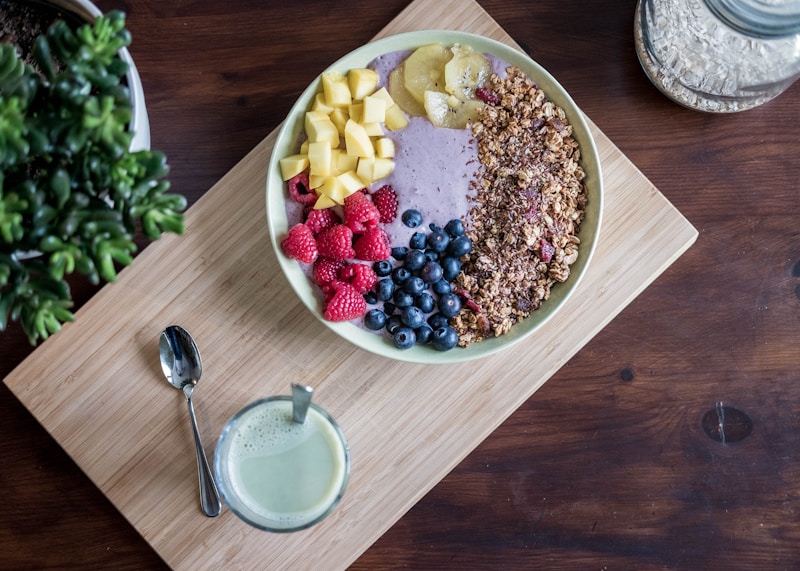
Don't try to log every meal from the start. Pick one. Lunch works for many people because it's often at a similar time. Log that one meal for a week. When it feels automatic, add dinner. Then breakfast or snacks. Research on habit change backs building one behavior at a time. You avoid overwhelm and give the habit time to stick.
Pro Tip: Pick the meal you eat at the same time most days. Same cue, same routine. "When I finish lunch, I open the app and log." That kind of when-then plan makes logging stick without relying on memory.
If you miss a meal or a day, don't catch up or punish yourself. Log the next meal and keep going. One gap doesn't ruin progress. What matters is logging most days. We went deeper on the habit loop and cues in why writing down what you eat changes everything and when-then planning for reminders.
How Precise Do You Need to Be?
Not very. You don't need to weigh every bite. Within about 100–200 calories most days is enough to spot trends. Tracking at least two eating occasions per day is a practical adherence marker in mobile weight loss studies. The goal is awareness, not lab-level accuracy.
The catch: if logging takes too long, you quit. Manual entry (search, portion, confirm) can take 10–20 minutes a day; that's why many people drop apps in the first few weeks. That's why we built photo-based logging. Snap the plate, get an estimate. No typing every ingredient. You can try the idea on the web with our AI Meal Rater: upload one meal photo for a free calorie estimate. Image-based dietary assessment has been validated for feasibility and relative validity. A rough log you do every day beats a perfect log you abandon after a week.
When to Tweak Your Calorie Target
Get a starting number from our free TDEE & macro calculator. Then look at weekly trends. Hitting your target most days? Your number is probably fine. Trying to lose but the scale hasn't moved in 2–3 weeks (and you've been logging honestly)? Nudge down 200–300 calories or check portions and snacks. Always hungry or low energy? Bump up 100–200 and see how you feel. Small, steady changes beat crash diets. For more on setting a target, see how many calories you should eat.
A Quick Plan
- First two weeks: Build the habit only. Log one or two meals a day. Don't stress the numbers yet.
- Weeks three and four: Check weekly averages. Compare to your goal (lose, maintain, gain) and change one thing: portion size, one snack, or one extra protein meal.
- After that: Revisit your target every few months or when something big changes (new job, injury, more or less activity).
Download cAIlories from the App Store, pick one meal, and log it today.
Final thought: What's the one meal you could log tomorrow without changing anything else?