TL;DR:
- A large meta-analysis found that lowering the energy density of your food cuts daily intake with minimal "compensation": you don't just eat more later. Weight loss from that alone is modest (~0.7 kg in trials), so pair it with a real deficit.
- Boiled potatoes scored 323% on the satiety index (same calories as white bread). Oatmeal and apples land around 209% and 197%. Same calories, very different fullness.
- Starting a meal with low-calorie soup can cut that meal's intake by about 20%. The catch: it only helps if you're not using volume to chase a compulsive "full" feeling.
I used to think a "big plate" and weight loss were enemies. Then I learned that the enemy wasn't the size of the plate. It was the calories per bite. Once I got that, eating in a deficit stopped feeling like punishment. (Full disclosure: I still love nuts. I just don't pretend a handful is a snack.)
Here's what the research says about calorie density, who it helps, and who should be careful.
What Is Calorie Density? (And Why Your Stomach Doesn't Count Calories)
If you're someone who finishes a "small" meal and still feels hungry, this section is for you. If you're already eating mostly whole foods and struggling to hit enough calories, skip to the swaps.
Calorie density is calories per gram (or per bite). Water adds weight without calories, so water-rich foods sit at the low end. Fats and oils sit at the top. Research on dietary energy density shows that when you lower the energy density of what people eat, daily intake drops a lot, and they don't fully make up for it by eating more elsewhere. Your stomach and brain care about volume and satisfaction, not just the number on the label.
| The Myth | The Reality |
|---|---|
| "Eat less" means tiny portions and constant hunger | Low-calorie-density foods let you eat large portions and still cut total calories. |
| All calories affect fullness the same way | At equal calories, boiled potatoes beat croissants by a huge margin on satiety. Protein, fiber, and water drive fullness; fat and hyper-palatability often don't. |
| Volume eating is just a TikTok trend | Meta-analyses and satiety-index studies have backed the idea for years; the trend just repackages it. |
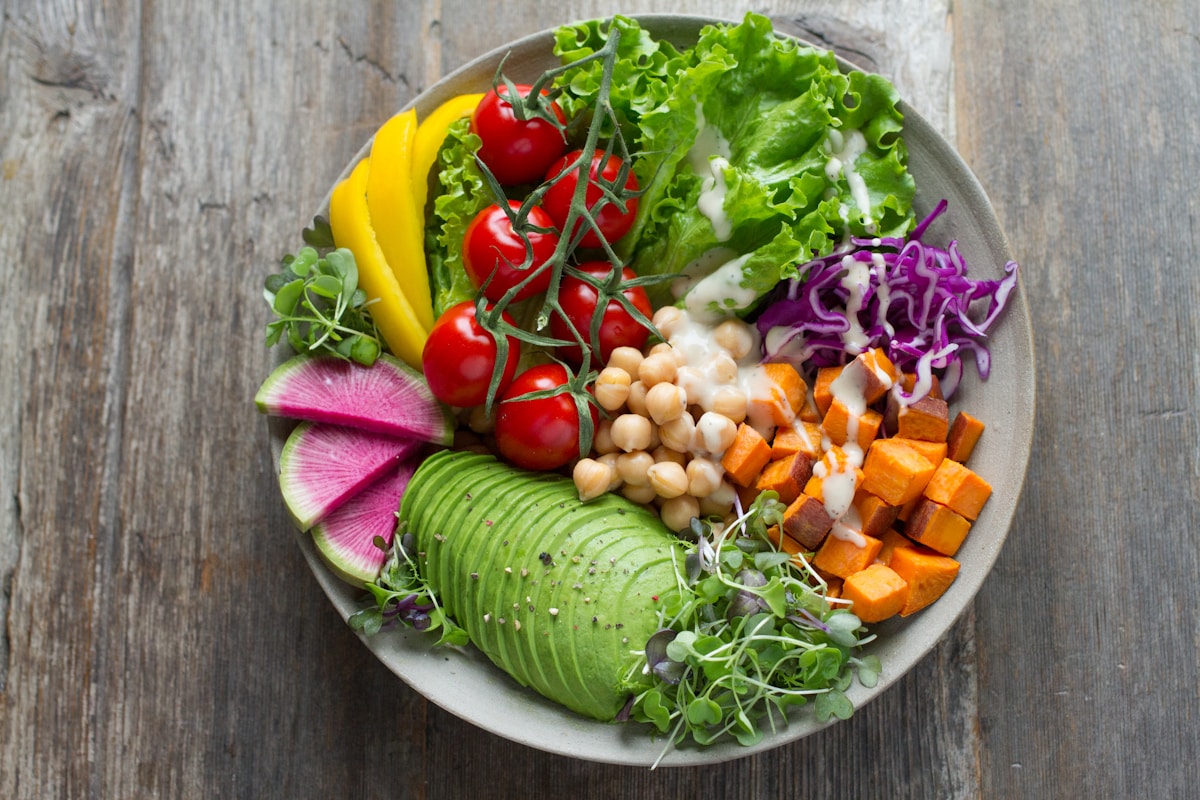
So: 100 g of cucumber or lettuce is about 15–20 kcal. Same weight of almonds? Around 600 kcal. One fills your plate. The other barely makes a dent. That's the leverage.
Why It Works (And the One Caveat)
A systematic review and meta-analysis of 31 studies found that reducing food energy density led to a large reduction in daily energy intake with minimal compensation. So yes, the mechanism is real. The same review reported that actual weight loss in trials was modest (around 0.7 kg difference), so think of calorie density as a tool inside a bigger plan (e.g. hitting a sensible calorie target and using our calculator to get your numbers right).
One caveat: a 2025 Frontiers in Public Health paper described "volume addiction"—a drive to feel intensely full from huge volumes of food or fluid. For people who already fixate on fullness, doubling down on volume eating can reinforce that. So: great for most people who want to eat more food on fewer calories; not a universal fix.
Pro Tip: Start lunch or dinner with a broth-based soup or a small salad. Studies show that a low-calorie soup preload can reduce that meal's intake by about 20%. Keep the soup under about 150–200 kcal and give it 10–15 minutes before the main course so the satiety signal has time to kick in.
The Satiety Surprise: Same Calories, Different Fullness
Here's the counter-intuitive bit. Researchers gave people equal-calorie portions (240 kcal) of different foods and measured how full they felt and how much they ate later. Boiled potatoes came out at 323% on the satiety index (vs. white bread at 100%). Oatmeal and apples landed around 209% and 197%. So at the same calorie dose, some foods buy you way more satiety than others. That's why "just eat less" is lazy advice. What you eat matters as much as how much.
We already did a deep dive on fiber and satiety. Fiber, protein, and water all push the needle toward fullness. Fat and extreme palatability tend to do the opposite. So building meals around vegetables, legumes, fruit, and lean protein isn't diet culture fluff. It's leveraging the data.
Simple Swaps That Actually Move the Needle
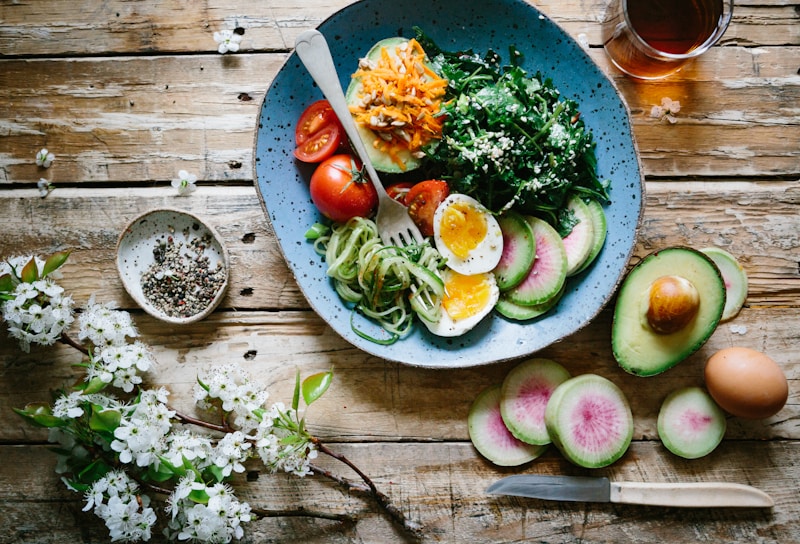
- Pile more vegetables or a side salad onto lunch and dinner. An extra cup of broccoli or a decent side salad can save 100–200 kcal compared to a second helping of rice or bread. No need to ban the rice; shift the balance.
- Start with soup or salad. Low-energy-dense soup at the start of a meal reduced total meal intake by about 20% in one study. Same idea as the pro tip above.
- Choose whole fruit over dried fruit or juice when you want something sweet. A medium apple is about 95 kcal and fills you up; a small handful of raisins is similar calories and does little for hunger. Volume wins.
- Use less oil and dressing; lean on herbs, lemon, and spices. One tablespoon of oil is about 120 kcal. You can get a lot of flavor and bulk with herbs and citrus for almost no extra calories.
You don't have to ditch higher-calorie foods entirely. Shift the balance so most of your plate is filling, lower-calorie stuff. A tracker like cAIlories helps here: when you log a big salad or a bowl of vegetable soup, you see the real number. That's why we built the photo-based logging: so you're not guessing whether "a lot of greens" blew your budget. (It usually doesn't.)
Want to see how your targets line up? Use the TDEE and macro calculator and then apply these swaps. Download cAIlories on the App Store and see how small tweaks to what's on your plate add up without making meals feel tiny.
Final thought: If you're still hungry on a "good" day of volume eating, maybe the problem isn't the strategy. Maybe you're under-eating. The goal isn't to max out fullness on the fewest calories possible. It's to eat in a way that's sustainable and that gets you to your number. What would change if you treated fullness as information instead of a target?