
TL;DR:
- People who kept a food diary six days a week lost almost twice as much weight as those who logged one day or less in a 2008 Kaiser Permanente trial. Newer work backs it: digital self-monitoring is linked to better weight loss, and adherence to logging predicts outcomes.
- The habit loop (cue, routine, reward) and "when-then" plans make logging stick. Routine-based and time-based cues both work; repeating the behavior is what builds the habit. If you've never stuck with a tracker, the cue is the place to fix first.
- Most people quit because logging is a pain: search, weigh, type. If a meal takes more than two minutes to log, you'll drop off. Use a tool that cuts friction (e.g. photo + AI), tie logging to a cue you already have, and aim for consistency over perfection.
I used to start every Monday with a vow to track everything. By Wednesday I'd already skipped lunch and given up. Then I tied logging to one thing: putting my fork down after dinner. No "I'll try to remember." When fork down, open app, snap the plate. That single cue changed the game. (Full disclosure: I still miss days. Five days a week still beats zero.)
Here's what the evidence says and how to make the habit stick without burning out.
Why It Works: The Habit Loop
If you've never stuck with a food tracker for more than a few weeks, read this. If you already log most days and want to understand the mechanics, skip to the next section.
The 2008 study in the American Journal of Preventive Medicine wasn't a fluke. People who kept a food diary six or more days a week lost almost twice as much weight as those who logged one day or less, on the same program. Why? Habits. Cue, routine, reward. You need a clear trigger so your brain doesn't have to decide "should I log?" every time. "When I put down my fork, I log my meal" is an implementation intention: you're telling yourself exactly when to act. Research on habit formation shows that routine-based cues ("after breakfast") and time-based cues ("at 8 a.m.") work about equally well. What matters is repeating the behavior; automaticity builds over time. A 2025 mHealth trial found that adherence to self-monitoring and behavioral goals was directly associated with better weight loss. So the loop isn't just theory. It shows up in the data.
| The Myth | The Reality |
|---|---|
| You need perfect, accurate entries every day | Consistency beats accuracy. Tracking most days beats perfect logging that you quit. |
| Motivation is what makes you log | Cues do. Tie logging to something you already do (e.g. after the meal), not to "I'll try to remember." |
| Paper diaries are outdated | Digital self-monitoring is linked to weight loss and lower intake in recent meta-analyses. The medium matters less than doing it. |

The Observer Effect in Real Life
When you know you'll have to write down what you eat, you pay attention. That's the observer effect: the act of recording changes the behavior. People who track tend to eat less and choose better foods not because of guilt, but because the gap between what they think they eat and what they actually eat becomes visible. Studies comparing self-reported intake to objective measures find underreporting in the ballpark of 20–30%; many people underestimate by a lot. A food diary doesn't fix that overnight, but it narrows the gap. Once you see the real numbers, better choices often follow without a strict diet.
Why People Quit Tracking (And How Not To)
Let's be real: the main reason people quit isn't lack of motivation. It's friction. Looking up every ingredient, weighing everything, typing it in. That's why a big chunk of users abandon food apps within the first few weeks. The fix isn't to try harder. It's to make logging take almost no effort.
Pro Tip: If logging a single meal takes more than two minutes, you'll stop. Use a tracker that does the heavy lifting: snap a photo or speak one line, then move on. Speed beats precision when the alternative is quitting.
Tie the behavior to a cue you already have. "After I put down my fork, I log." That's the same when-then planning we wrote about for reminders: two or three times more effective than vague goals. Don't rely on memory. And forget perfection. Five days a week of sloppy logging beats a perfect week followed by burnout. We've talked before about why diets fail and how to stop the cycle; the same idea applies here. Reduce decisions, reduce friction, keep the habit alive.
The Keystone Habit
Food tracking is what Charles Duhigg calls a keystone habit: one habit that makes others easier. People who start logging often end up moving more, sleeping better, or cooking at home more. Not because the app tells them to, but because once you see the numbers, you notice patterns. Late-night snacks, stress eating, weekends blowing the calorie target you set in the calculator. One small habit can trigger a cascade. You don't have to change everything at once. Start with the log.
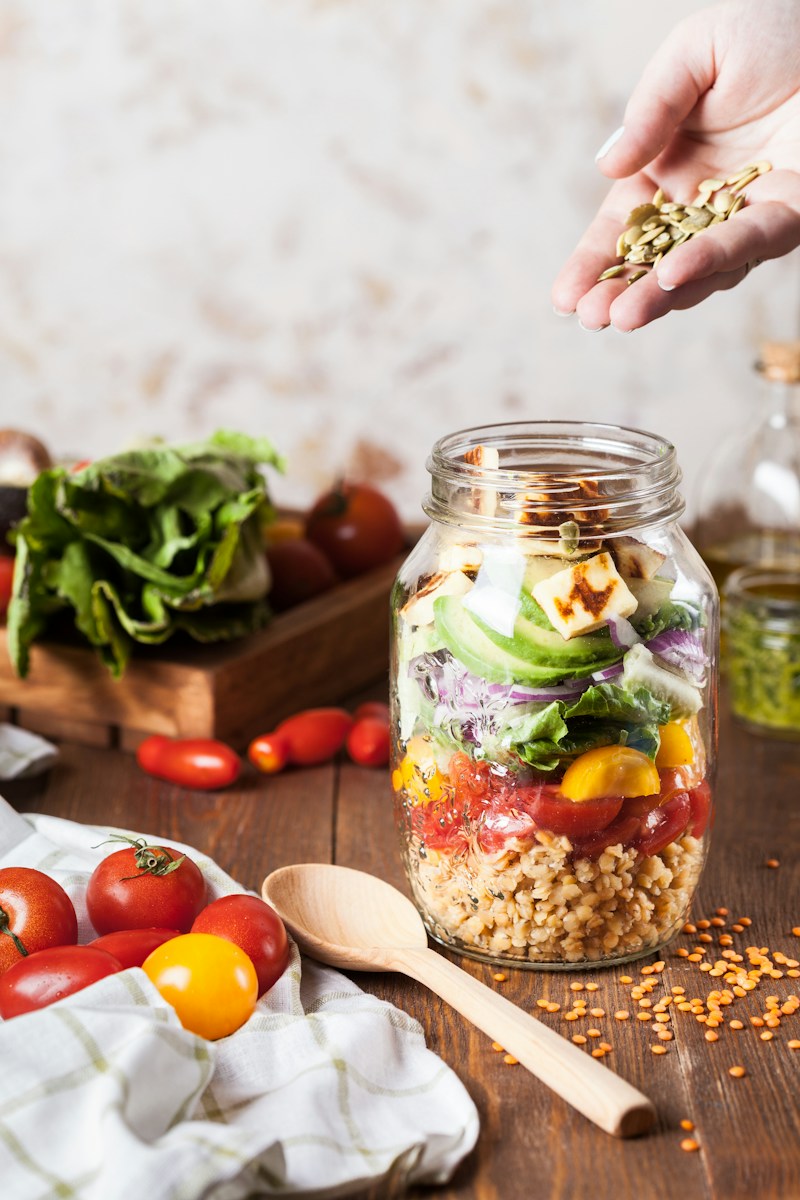
How cAIlories Makes Logging Stupidly Easy
We built cAIlories because we hated the friction. Typing every ingredient, searching databases, weighing everything. So the core feature is simple: you snap a photo of your meal and the AI estimates the rest. No need to find "chicken breast 100 g" in a list of 500 entries. That's why it's in the body of this post: when logging takes two minutes per meal, you quit; when it takes 10 seconds, the habit survives. Smart reminders then nudge you at the right time (after a meal, or when you usually log) so you don't have to remember. Your diary fills itself, and you get to focus on the pattern: which days you hit your target, which days you don't, and why.
Start Small, Start Now
You don't need to change your whole diet today. Log one meal. Tie it to one cue. Let the loop do the rest.
Download cAIlories on the App Store and see what changes when you actually stick with tracking.
Final thought: What would you do differently at dinner tonight if you knew you had to write down every bite before you closed the app?